
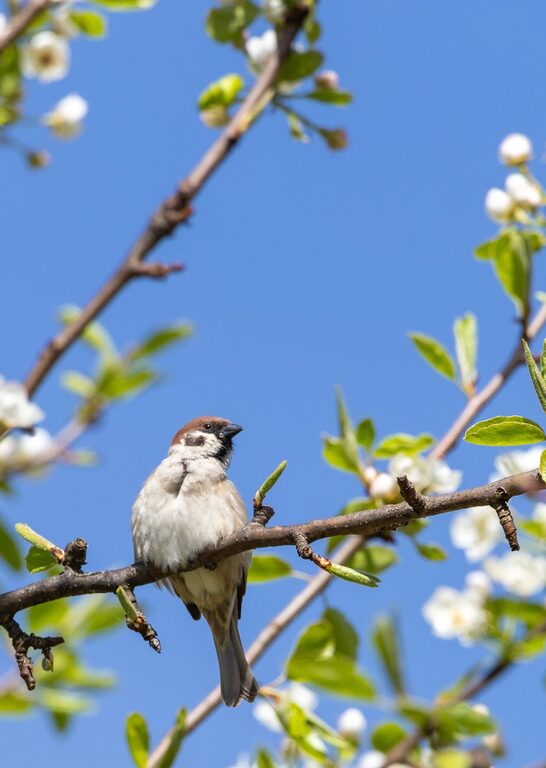
Birdwatching is a rewarding and relaxing hobby that anyone can enjoy, especially from the comfort of their own backyard. Whether you live in a bustling city or a quiet suburb, you can connect with nature by observing the many species of birds that visit your outdoor space. If you’re new to birdwatching, this guide will offer simple tips to get you started and help you make the most of your backyard birdwatching experience.
Why Backyard Birdwatching?
Birdwatching in your backyard is convenient and requires minimal equipment. It’s a great way to learn about local wildlife, improve your observation skills, and enjoy peaceful moments outdoors. Plus, attracting birds to your yard promotes biodiversity and supports the environment.
Essential Tips for Beginner Birdwatchers
1. Create a Bird-Friendly Environment
One of the most effective ways to attract birds is by making your yard a welcoming habitat.
– Plant Native Trees and Shrubs: Native plants provide natural food sources like berries and attract insects birds enjoy.
– Add Bird Feeders: Use a variety of feeders to attract different species. Tube feeders, platform feeders, and suet feeders each appeal to various birds.
– Provide Fresh Water: A birdbath or shallow water dish helps birds stay hydrated and clean. Change the water regularly.
– Offer Shelter: Dense shrubs or a small brush pile offer shelter from predators and weather.
2. Choose the Right Feeders and Food
Different bird species have different feeding preferences. Providing the right food can increase the variety of birds visiting your yard.
– Seeds: Black oil sunflower seeds attract cardinals, chickadees, and finches.
– Suet: Great for woodpeckers and nuthatches, especially in colder months.
– Nectar: Hummingbirds love sugar water feeders.
– Fruit: Orioles and tanagers often enjoy fresh or dried fruit.
3. Observe Quietly and Patiently
Birds can be easily startled. Follow these tips to observe them without causing alarm:
– Watch from a window or a quiet spot in your yard.
– Avoid sudden movements and loud noises.
– Use binoculars to see birds up close without disturbing them.
– Be patient; sometimes it takes time for birds to become comfortable visiting your yard.
4. Learn to Identify Local Birds
Start by familiarizing yourself with common birds in your region.
– Use bird identification apps or field guides to recognize species by color, size, and behavior.
– Note bird calls and songs; they can be helpful clues.
– Keep a journal or checklist to track the species you’ve spotted.
5. Set a Regular Viewing Schedule
Bird activity varies throughout the day. Early mornings and late afternoons are often the best times to watch.
– Spend a few minutes each day observing.
– Consistent time and effort increase your chances of spotting a variety of birds.
– Consider keeping a feeding routine so birds know when to visit.
Tools and Accessories for Backyard Birdwatching
While you don’t need much to start birdwatching, a few simple tools can enhance your experience.
– Binoculars: A basic pair of binoculars brings birds into clear view.
– Bird Guidebook or App: Helps with identification and learning bird habits.
– Notebook or Checklist: For recording your sightings and notes.
– Camera: If you want to capture photos, a camera with zoom capabilities is useful.
Common Backyard Birds to Expect
Depending on your location, some familiar backyard visitors include:
– Sparrows
– Robins
– Blue Jays
– Cardinals
– Chickadees
– Finches
– Woodpeckers
– Hummingbirds (in some regions)
Each bird has unique behaviors and traits to observe, making birdwatching a continually interesting experience.
Tips for Ethical Birdwatching
It’s important to respect wildlife while enjoying birdwatching.
– Avoid disturbing nests or young birds.
– Keep feeders and birdbaths clean to prevent disease.
– Do not feed bread or processed food; stick to bird-appropriate options.
– Minimize the use of pesticides in your yard.
Enjoying the Benefits of Birdwatching
Besides being a calming pastime, birdwatching encourages mindfulness and a deeper connection with nature. It’s suitable for all ages and can be a fun family activity. Over time, you may become more aware of seasonal changes, bird migration patterns, and the diversity of wildlife in your area.
Final Thoughts
Starting backyard birdwatching doesn’t require special skills or expensive gear. With a welcoming yard, some basic supplies, and a little patience, you can start observing and enjoying birds right outside your door. Embrace this simple hobby to bring a little more nature and joy into your daily life.
Happy birdwatching!